
Yoga for the Back
This is a subtitle for your new post

Why yoga for the back?
We spend millions of dollars per year in pain management and loss of productivity due to back pain. As we age, we may come to believe that this is a normal consequence of aging. In truth, back discomfort can originate from tight muscles or an imbalance in the way we use our muscles. A repetitive, sedentary posture can also lead to back pain.
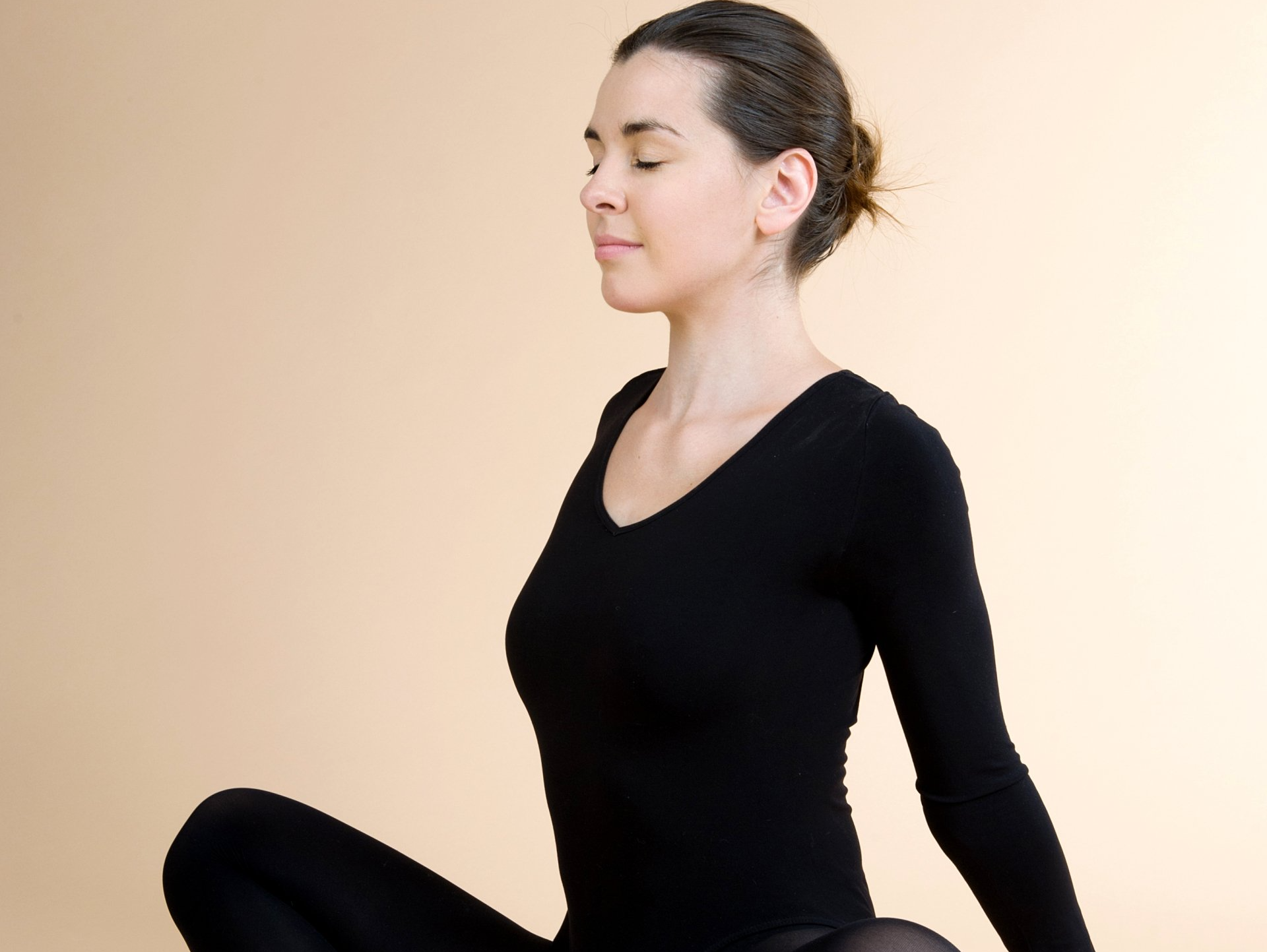
Your instructor will introduce stretches and strengthening mat-based exercises that will give you the freedom you desire! No experience necessary and no back pain necessary. This class can be taught on the mat or in the chair.
Yoga for Low Back Pain: Why Movement May Be Better Than Rest
Low back pain is one of the most common musculoskeletal complaints among working adults. According to the National Institutes of Health, nearly 80% of adults experience low back pain at some point in their lives. For desk-bound employees, prolonged sitting, weak core muscles, tight hips, and limited movement throughout the workday can contribute to discomfort and stiffness.
For many years, rest was commonly recommended for back pain. Today, research suggests that appropriate movement is often one of the most effective strategies for reducing pain and improving function. Among the many forms of movement available, yoga has emerged as a well-researched option for managing chronic and recurring low back pain.
Yoga combines stretching, strengthening, breathing techniques, and mindful awareness. This unique combination addresses many of the factors associated with low back discomfort. Tight hip flexors, hamstrings, and lower back muscles can contribute to restricted movement patterns. At the same time, weakness in the abdominal muscles, glutes, and postural muscles can reduce spinal support.
A 2017 study published in the Annals of Internal Medicine found that yoga was as effective as physical therapy for improving function and reducing pain in individuals with chronic low back pain. Researchers concluded that yoga may be a reasonable and accessible treatment option for many adults experiencing ongoing discomfort.
Yoga also helps individuals develop greater body awareness. Many people unconsciously hold tension in their shoulders, hips, jaw, and back throughout the workday. Through mindful movement and breathing practices, participants learn to recognize and release unnecessary muscular tension before it develops into chronic discomfort.
Breathing practices included in yoga may also contribute to pain management. Research suggests that stress can amplify pain perception. Slow, controlled breathing activates the parasympathetic nervous system, helping the body shift from a stress response toward a relaxation response. This may help reduce both physical and mental contributors to pain.
Workplace-focused yoga classes often emphasize movements that counteract prolonged sitting. Gentle spinal mobility exercises, hip-opening stretches, core-strengthening movements, and postural awareness techniques can help employees move more comfortably throughout the day.
Importantly, yoga is adaptable. Exercises can be modified for beginners, individuals with limited mobility, and those returning to exercise after periods of inactivity. Participants do not need to be flexible or experienced to benefit.
For employees experiencing recurring stiffness, tension, or mild chronic low back discomfort, yoga offers a practical, evidence-based approach to improving mobility, strength, posture, and overall wellbeing. Small amounts of consistent movement can have a meaningful impact on how people feel both at work and at home.
References:
• Saper RB et al. (2017). Yoga, Physical Therapy, or Education for Chronic Low Back Pain. Annals of Internal Medicine.
• Wieland LS et al. (2017). Yoga Treatment for Chronic Non-Specific Low Back Pain. Cochrane Review.
TRY A CLASS: https://vimeo.com/1076187247/497a2b077e?share=copy&fl=sv&fe=ci