
Low Impact versus High Impact Exercise
Why does Inward Office recommend low impact exercise?
Why Low-Impact Exercise Matters
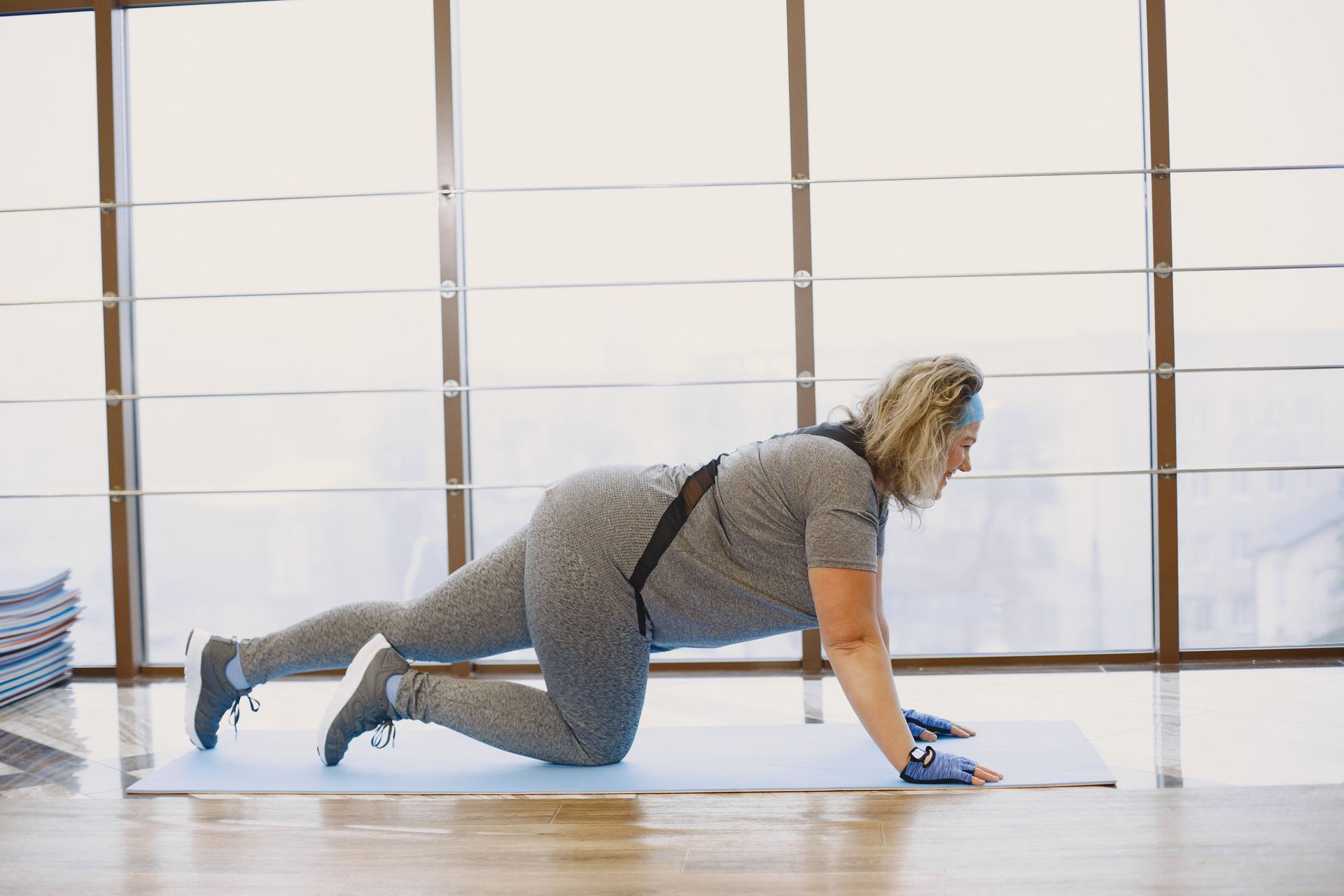
Low-impact exercise provides many of the same health benefits as higher-intensity activities while placing less stress on the joints, connective tissues, and musculoskeletal system. Research shows that regular low-impact exercise can improve cardiovascular health, muscle strength, balance, mobility, mental wellbeing, and overall quality of life while reducing the risk of injury and improving exercise adherence.
Studies have found that sustainable, moderate forms of physical activity are associated with lower rates of chronic disease, improved functional ability, and healthy aging. Because low-impact exercise is accessible and adaptable, it enables people of varying ages, fitness levels, and physical abilities to maintain consistent movement habits that support long-term health and wellbeing.
Conclusion: Inward Office finds most participants are over 35 and many come to workplace classes due to budget limits and convenience. Low impact exercise maximizes safety at work, minimizes joint discomfort that arises as we age, and often time provides the gentle strength building we need for sedentary populations.
Research References
- 2018 Physical Activity Guidelines Advisory Committee Scientific Report. U.S. Department of Health and Human Services.
- Piercy KL, et al. (2018). The Physical Activity Guidelines for Americans. Journal of the American Medical Association, 320(19), 2020–2028.
- Warburton DER & Bredin SSD. (2017). Health benefits of physical activity: a systematic review of current systematic reviews. Current Opinion in Cardiology, 32(5), 541–556.
- Taylor D. (2014). Physical activity is medicine for older adults. Postgraduate Medical Journal, 90(1059), 26–32.
- Bull FC, et al. (2020). World Health Organization 2020 guidelines on physical activity and sedentary behaviour. British Journal of Sports Medicine, 54(24), 1451–1462.